

Is Tampa Bay the next Miami of Architecture and Design?
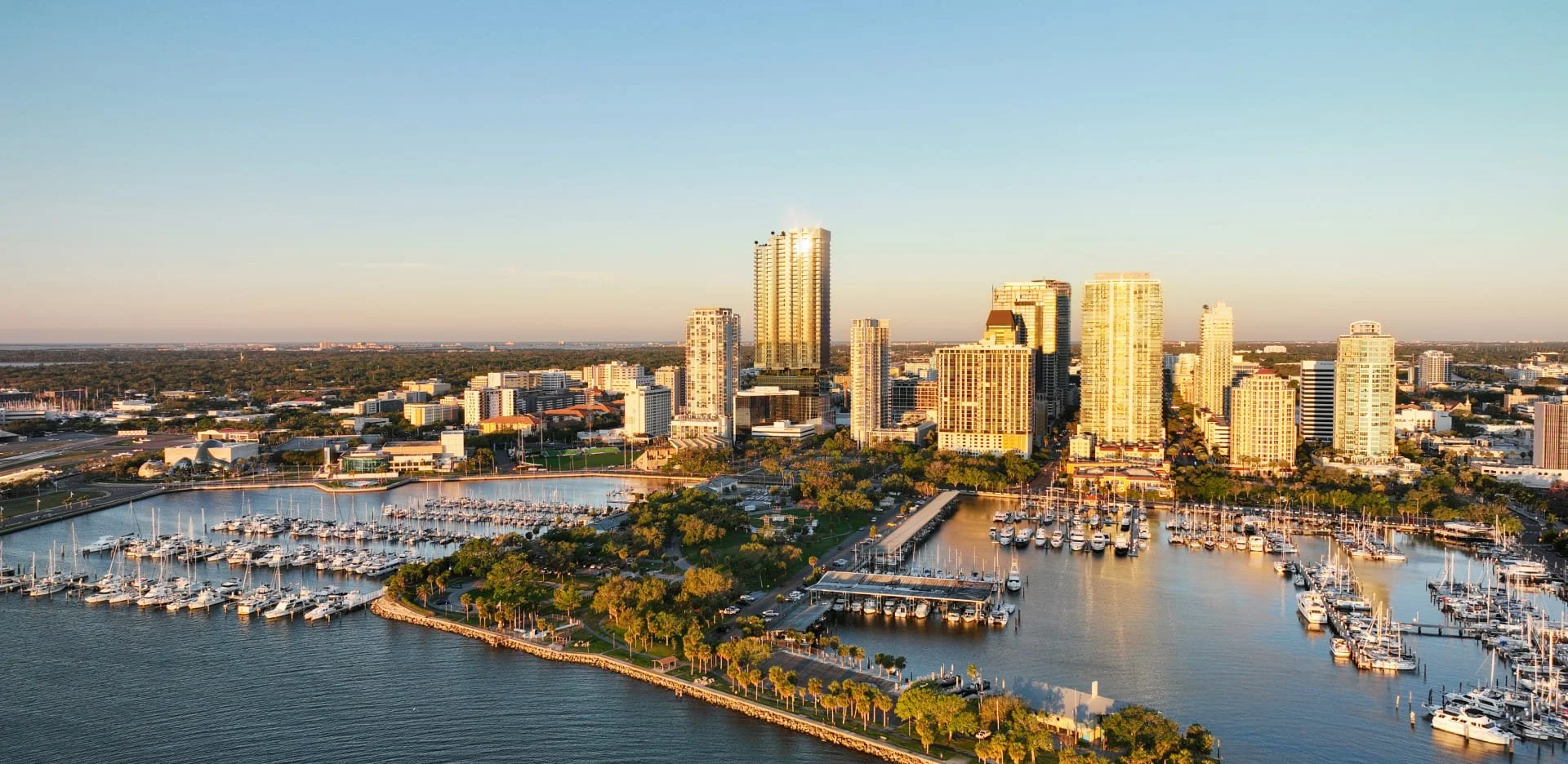
Something is shifting across Tampa Bay—and it’s not subtle.
From Tampa to St. Petersburg and Clearwater, a new skyline is emerging. Not just taller—but more intentional, more branded, and far more design-driven. The kind of development wave that once defined Miami is now unfolding on Florida’s Gulf Coast.
The question is no longer if Tampa Bay is evolving—
it’s whether it’s becoming the next global destination for architecture and design.
A New Era of Branded Luxury Living
At the center of this transformation is a surge in branded residences—a concept long synonymous with cities like Miami, New York, and Dubai.
Now, that same level of global luxury is arriving in Tampa Bay.
The upcoming Waldorf Astoria Residences St. Petersburg is perhaps the clearest signal. Rising 50 stories over the waterfront, it brings internationally recognized design firms and hospitality-level service into a private residential format.
This isn’t just another condo tower—it’s a shift in expectation.
Buyers aren’t just purchasing space—they’re buying into a fully curated lifestyle.
And the market is responding. A penthouse in the building has already reached a record-breaking $27 million sale, underscoring the demand for ultra-luxury living in the region.
Design as Identity: The Rise of Fashion-Branded Residences
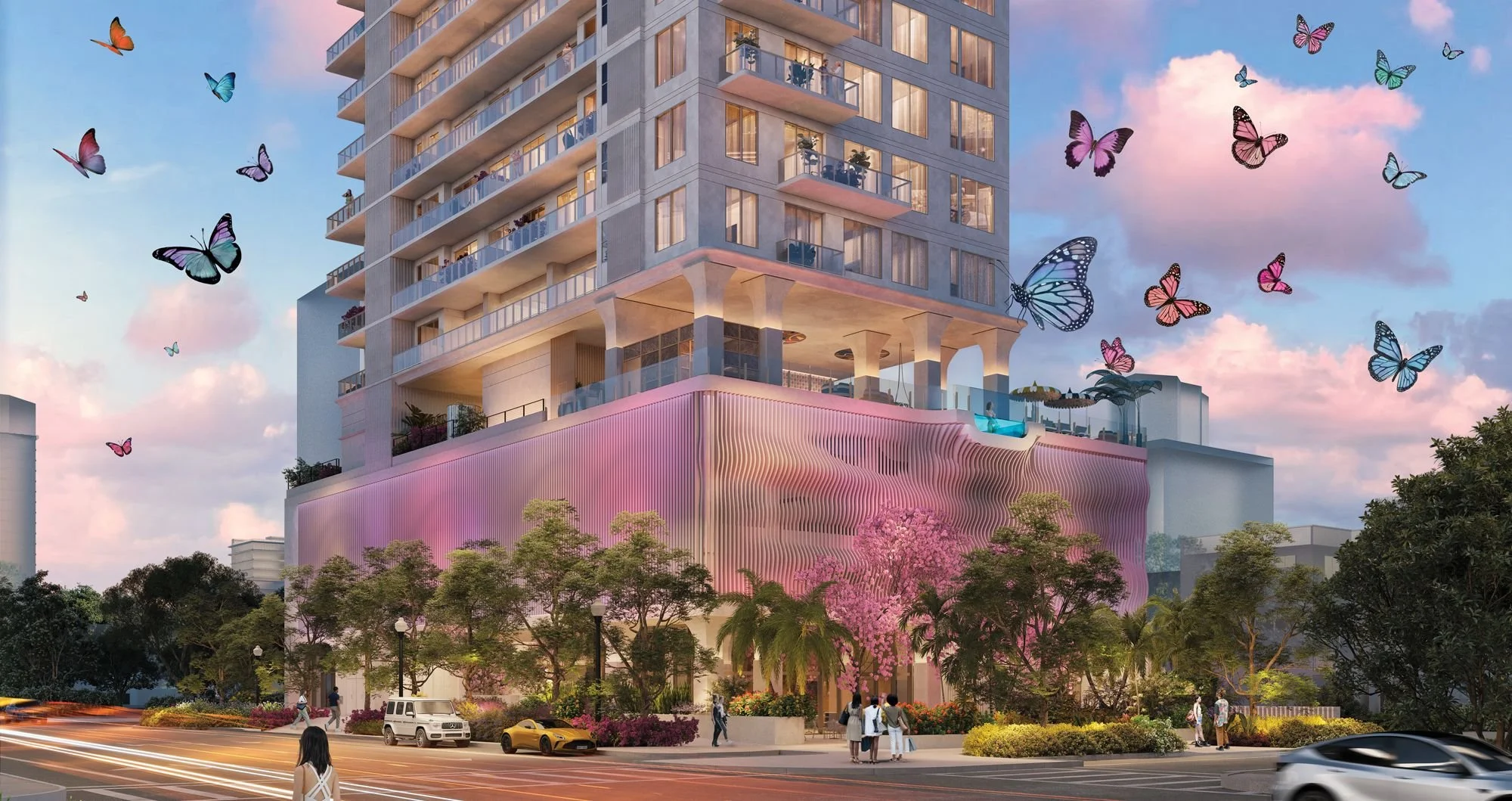
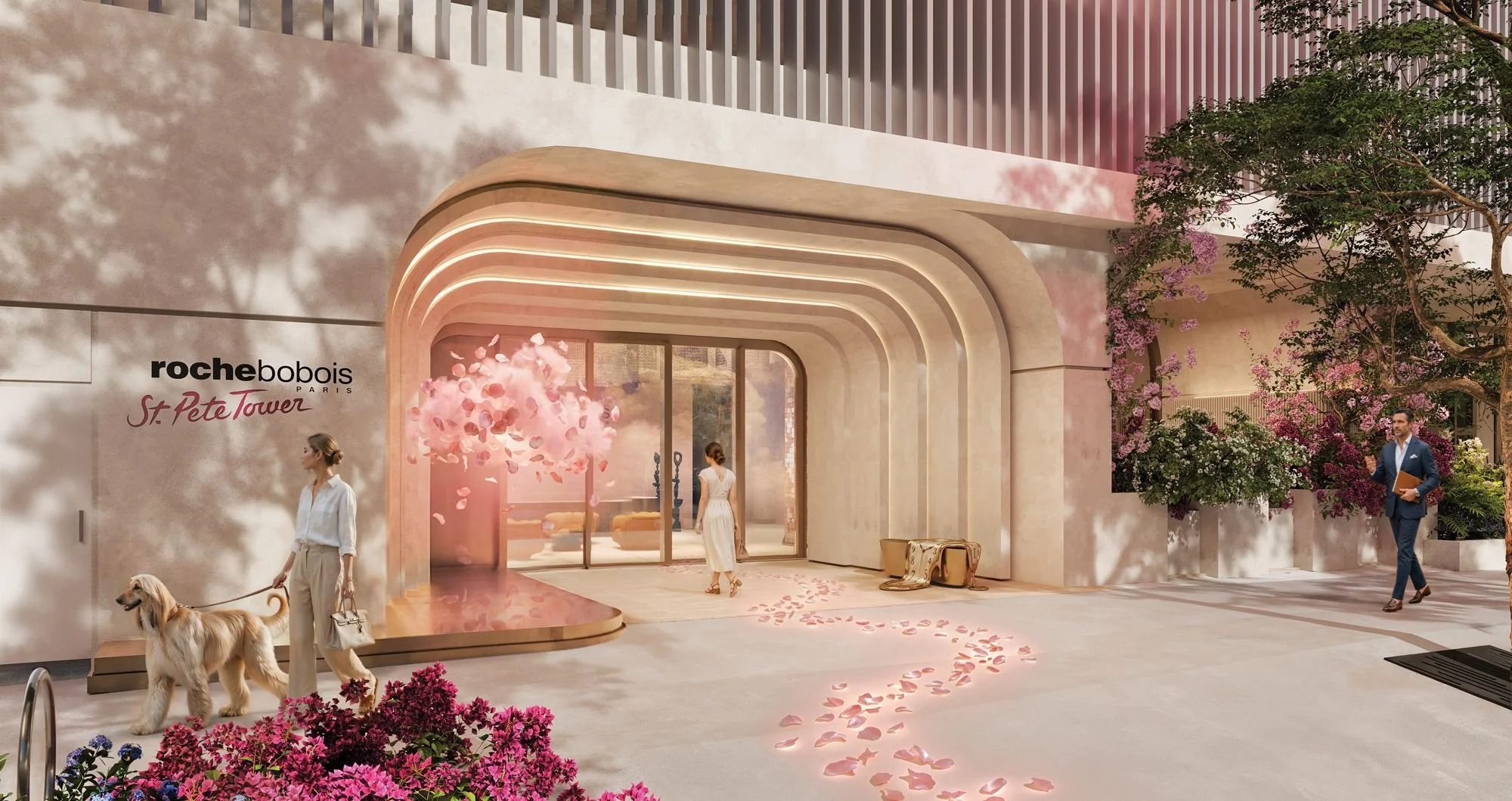
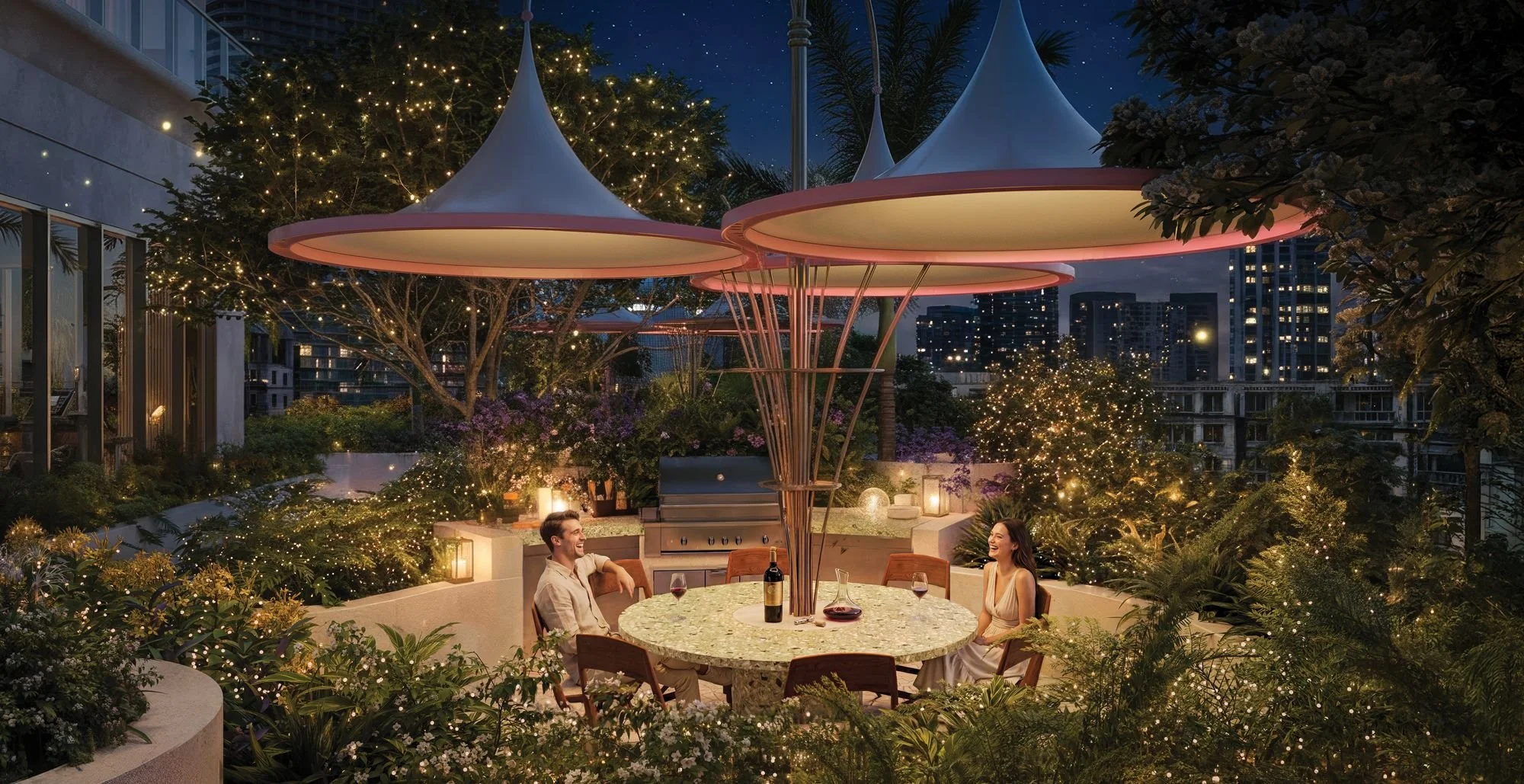
One of the most telling developments is the arrival of the Roche Bobois Residences.
This is not just a building—it’s a design statement.
Developed in partnership with the French luxury furniture house, the project represents one of the first designer-branded residential towers in the United States, blending architecture with a fully realized interior identity.
With a projected value around $200 million and record-setting pre-sales—including a $13.2 million penthouse—this development signals something deeper:
Tampa Bay is no longer following design trends.
It’s starting to participate in them globally.
Tampa’s Skyline: Hospitality Meets Residential Design
Across the bay in Tampa, the evolution continues with projects like the Ritz-Carlton Residences Tampa.
Designed by internationally acclaimed firms, the tower merges hotel-level service with residential privacy, setting a new standard for urban waterfront living.
Meanwhile, new developments like the Pendry Tampa—a 38-story hotel-condo hybrid—highlight the growing demand for lifestyle-driven architecture, where design, hospitality, and real estate converge.
The Scale of Investment
What makes this moment particularly compelling isn’t just the aesthetics—it’s the scale.
Individual towers are reaching $200M–$500M+ valuations
Record-breaking penthouse sales are redefining pricing ceilings
International brands are entering the market simultaneously
This level of concentrated investment is not typical of a secondary market.
It’s what happens when a region transitions into a global luxury destination.
Why Tampa Bay—and Why Now?
Several forces are converging:
Migration of high-net-worth buyers from major coastal cities
Increased demand for waterfront, lifestyle-driven living
A growing appetite for design-forward, experiential spaces
Relative value compared to Miami—for now
But perhaps most importantly:
Developers are no longer building for the local market—they’re building for a global buyer.
So… Is Tampa Bay the Next Miami?
Not exactly.
Miami is known for spectacle—bold forms, dramatic statements, and high-contrast luxury.
Tampa Bay is shaping something different:
more restrained
more architectural
more quietly intentional
If Miami is expressive, Tampa Bay is becoming refined.
Final Thought
The arrival of projects like Waldorf Astoria Residences St. Petersburg, Roche Bobois Residences, and Ritz-Carlton Residences Tampa isn’t just about real estate.
It’s about identity.
Tampa Bay is no longer just a place people move to for lifestyle—
it’s becoming a place people look to for design inspiration.
And that shift changes everything.